
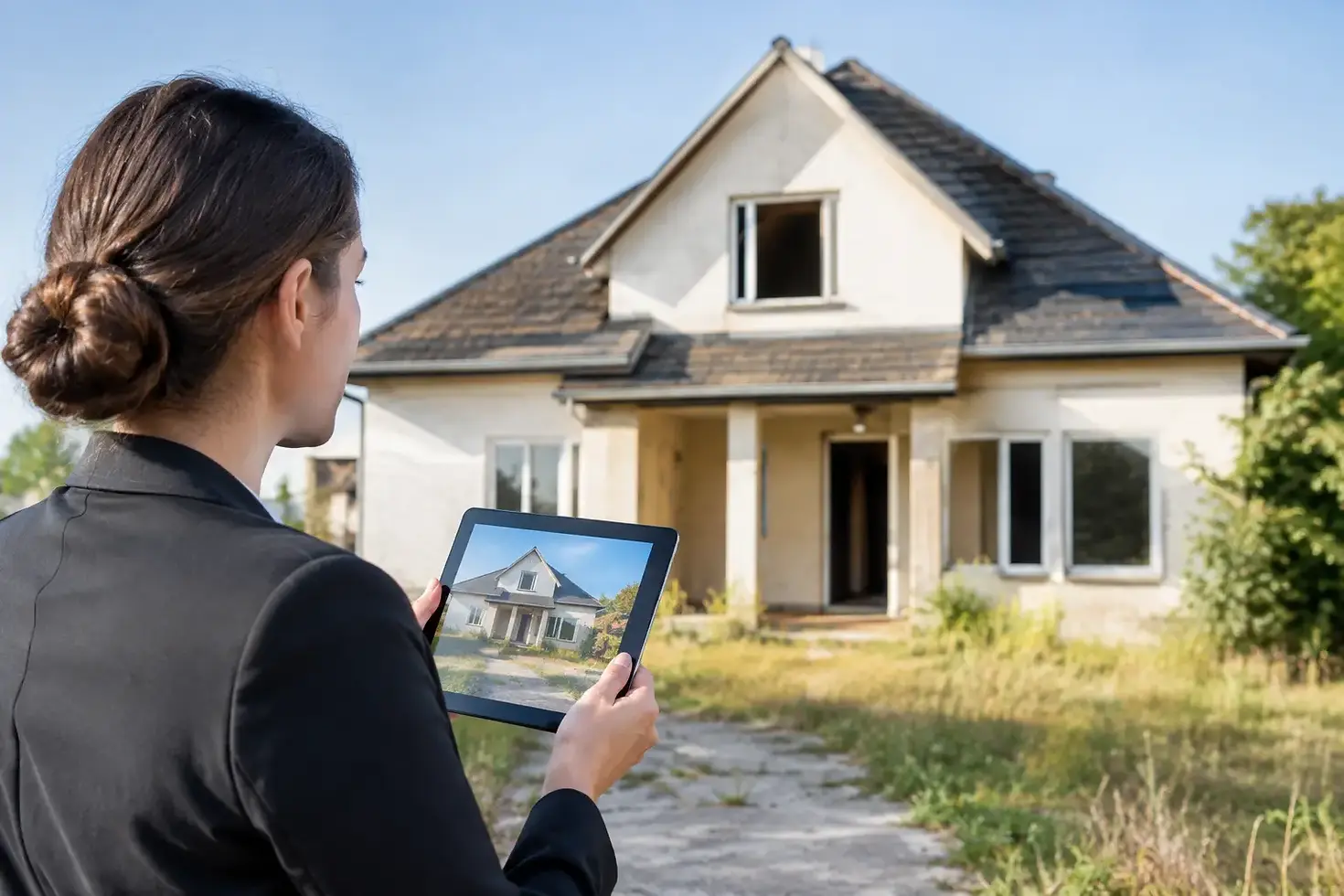
How to Monitor Vacant Properties Effectively
A vacant property can look like an easy opportunity to the wrong person. An unoccupied home, office, storage yard, dealership lot, or construction site may have no daily activity, delayed maintenance, and valuable equipment left in plain view. Learning how to monitor vacant properties means closing those gaps before theft, vandalism, squatting, fire damage, or liability creates a costly problem.
The right approach is not simply installing a camera and hoping it records something useful. Effective vacant-property security combines visible deterrence, active detection, verified response, and a plan for keeping the site looking occupied. The level of protection should match the property's risk, location, assets, and expected vacancy period.
Start With a Property Risk Assessment
Every vacant property has different vulnerabilities. A single-family home awaiting sale may need perimeter awareness and water-leak protection. A construction site may require coverage for fuel, copper, tools, and heavy equipment. A commercial building with several access points may face risks from break-ins, unauthorized entry, and damage that goes unnoticed for days.
Walk the property as someone looking for an easy way in. Check gates, doors, overhead entrances, windows, roof access, fencing, lighting, blind corners, and areas where a vehicle can pull up unnoticed. Also look for signs that advertise vacancy, such as piled mail, uncut grass, overflowing dumpsters, dark windows, or equipment stored where it is visible from the street.
This assessment should determine where cameras go, which entrances need sensors, whether a mobile security trailer is appropriate, and how quickly a threat needs to be addressed. A remote rural property may benefit from solar-powered monitoring equipment and cellular connectivity. A downtown commercial unit may need stronger coverage of rear alleys, loading doors, and shared access areas.
How to Monitor Vacant Properties With Live Video
Recorded video can help after an incident. Live video monitoring gives you the chance to interrupt an incident while it is happening.
With a professionally monitored camera system, trained operators can review an alarm event or motion-triggered activity in real time. When they identify a credible threat, they can issue an audio warning, contact the appropriate responders, and notify the property owner or designated manager. That distinction matters. A camera that only stores footage may document the loss. Active monitoring is designed to help prevent it.
Camera placement should prioritize the places that matter most: vehicle entrances, pedestrian gates, exterior doors, loading areas, equipment storage, fence lines, and vulnerable windows. Cameras should be positioned high enough to reduce tampering but low enough to capture usable facial and vehicle details. Avoid aiming cameras directly into bright lights or toward low sun angles when possible, since glare can limit image quality at the moment it is needed.
For larger or temporary sites, mobile security trailers can extend coverage without permanent infrastructure. They are especially useful for construction projects, vacant lots, dealerships, and remote locations where power or internet access may be limited. Highly visible equipment also sends a clear message that the site is actively protected.
Choose Detection Settings Carefully
Too many false alerts can cause people to ignore real ones. Too little sensitivity can leave a serious gap in coverage. The goal is to detect meaningful activity without sending notifications every time a branch moves or a small animal crosses the property.
Use properly configured motion zones, object classification where available, scheduled arming periods, and camera angles that avoid public sidewalks or busy roads. A security professional can fine-tune the system after installation based on actual site activity. This is particularly valuable at properties where snow, wind, headlights, or neighboring traffic can affect detection.
Layer Cameras With Alarms, Lighting, and Access Control
A monitored camera system is strongest when it works with other security measures. If someone opens a protected door, cuts a gate lock, or enters an interior space, the alarm system creates an immediate event for review. Door contacts, glass-break sensors, motion detectors, and gate sensors can help identify where the intrusion began.
Lighting is another practical deterrent. Dark areas give intruders time and cover. Use reliable exterior lighting at entrances, walkways, equipment areas, and the perimeter, while ensuring cameras are adjusted for the lighting conditions. Motion-activated lights can be effective in lower-traffic areas, but consistent lighting is often better for high-risk commercial sites that need clear nighttime video.
Access control also helps property managers maintain accountability when contractors, cleaners, real estate agents, maintenance teams, or tenants need temporary access. Rather than distributing keys that may never be returned, managed credentials can be issued, changed, or removed as circumstances change. An access record can also help clarify who entered the property and when.
Make the Property Look Managed
Security technology is essential, but the condition of the site shapes risk as well. Properties that appear abandoned attract more attention than properties that appear maintained.
Arrange regular exterior checks for mail, flyers, snow removal, grass, garbage, graffiti, damaged fencing, and signs of attempted entry. Rotate interior lights on a schedule where appropriate. Keep windows covered without making the building look permanently shuttered. Remove tools, ladders, loose materials, fuel containers, and portable equipment from view.
For commercial properties, keep emergency contact information current and visible only where it does not create another security issue. Make sure alarm permits, fire protection requirements, and insurance obligations are understood before the property sits vacant for an extended period. Some policies have vacancy clauses that require inspections or specific protective measures after a set number of days.
Establish a Clear Response Plan
Monitoring is only as useful as the response that follows an alert. Decide in advance who needs to be contacted for a verified intrusion, a fire alarm, a water leak, a power outage, or evidence of vandalism. Include a primary contact and at least one backup who can make decisions after hours.
Your plan should state when law enforcement, fire services, restoration contractors, locksmiths, or site personnel should be called. It should also identify where utility shutoffs are located and who has authority to approve emergency repairs. A broken pipe in a vacant office can cause extensive damage long before the next scheduled inspection if no one is responsible for acting quickly.
For sites with valuable inventory or repeated trespassing, response should not depend on a property manager noticing an app notification at midnight. A 24/7 live monitoring service provides a human layer between the alert and the response, helping separate real threats from routine activity and escalating verified incidents quickly.
Review Coverage as Conditions Change
Vacancy is rarely static. A construction site changes every week. A listed home may have showings. A commercial building may have contractors moving in and out before a new tenant takes possession. Each change can create new blind spots, new access needs, or new assets worth protecting.
Review camera views after major site changes, seasonal weather shifts, fencing adjustments, or equipment deliveries. Test alarms, backup power, cellular or internet connectivity, and notification contacts on a routine schedule. If a system has not been tested, it should not be assumed to be ready.
Guardian Advanced Solutions helps Manitoba property owners and managers build monitored security plans around the real conditions of their sites, not a generic package. That can include live video monitoring, smart alarms, mobile security trailers, and responsive local support when the situation calls for action.
A vacant property does not need to become an unattended property. Put clear visibility, active monitoring, and a dependable response plan in place early, and you give potential intruders far fewer reasons to test the perimeter.


Comments