
Smart Alarm Systems That Actually Protect
- Adam Jakab
- Jun 18
- 5 min read
A break-in rarely starts with a dramatic smash-and-grab. More often, it starts with a gate left unsecured, a side door tested after hours, or movement on a property that no one catches until the damage is done. That is where smart alarm systems earn their value. They do more than make noise. They help property owners and managers know what is happening in real time, respond faster, and close the gap between detection and action.
For businesses and homeowners, that difference matters. A traditional alarm might tell you something already happened. A smarter system gives you better awareness while an event is unfolding. If you are protecting a home, an office, a dealership, a storage site, or a construction yard, that added visibility can reduce loss, limit downtime, and make response more effective.
What smart alarm systems do differently
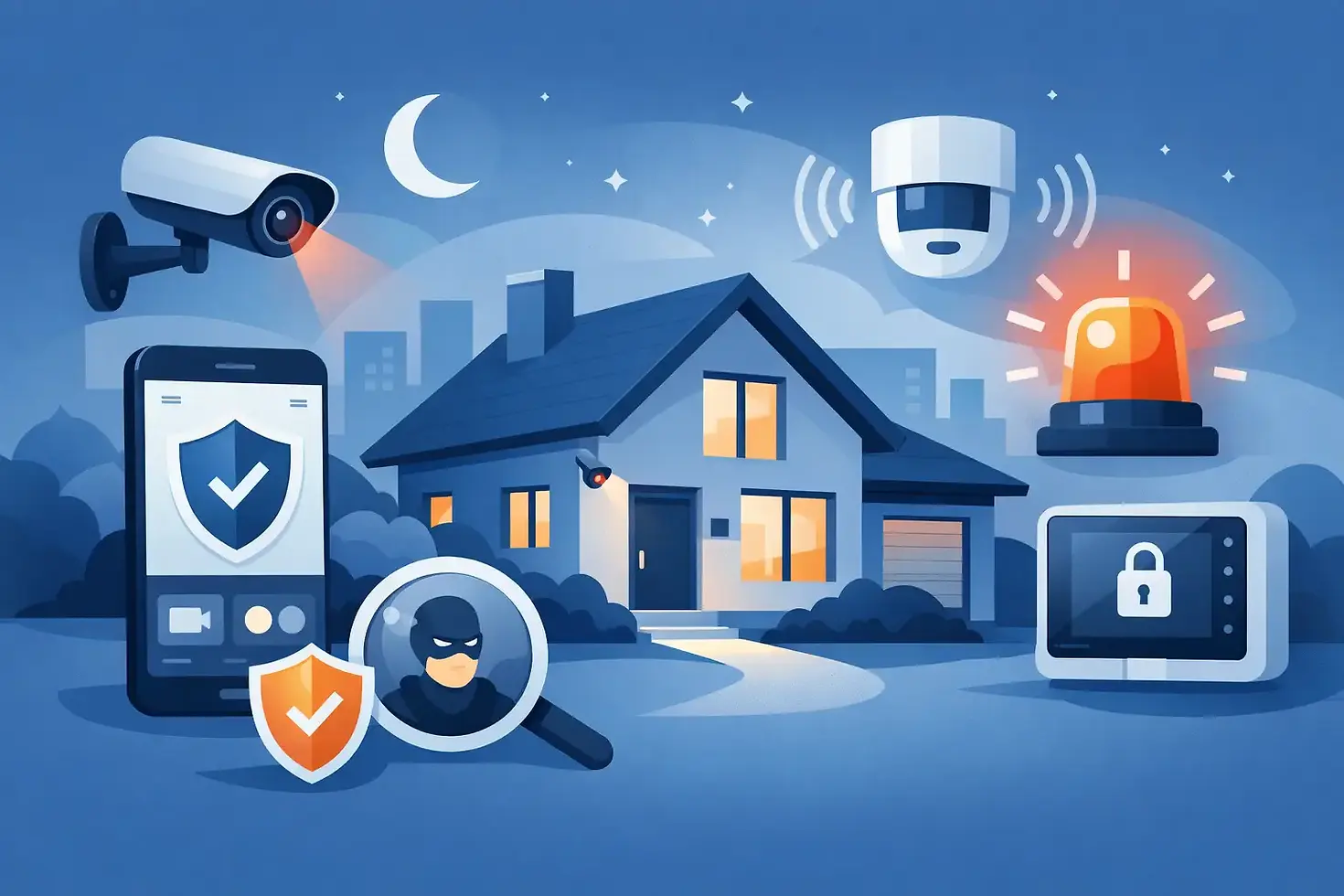
The biggest shift is simple: modern alarms are no longer isolated devices. They are connected systems built to detect activity, send instant alerts, support remote control, and work alongside cameras, access control, and professional monitoring.
That connected approach changes how security works day to day. Instead of relying on a siren and hoping someone reacts, you can receive alerts on your phone, check system status remotely, arm or disarm specific areas, and in many cases verify what triggered the alarm. For a business owner closing up late or a property manager responsible for multiple sites, that level of control is practical, not just convenient.
It also creates a more complete record of what happened and when. Door activity, motion detection, user access events, and alarm history can all be tracked. That helps with accountability inside the building and with faster decision-making during an incident.
Where smart alarm systems make the biggest impact
Not every property faces the same risks, so the value of a smart system depends on what you are protecting.
For homeowners, the benefit is often peace of mind backed by real visibility. You can confirm whether the system is armed, receive an alert when a door opens, and monitor activity when you are away. That matters during vacations, overnight hours, or even just busy workdays when no one is home.
For commercial properties, the stakes are usually higher. A false sense of security can be expensive. Offices may need after-hours intrusion detection across multiple entry points. Storage facilities need better control over access and activity patterns. Dealerships have high-value inventory spread across large outdoor areas. Construction sites face shifting risks because layouts, materials, and equipment change constantly. In those environments, smart alarm systems are most effective when they are designed around the property rather than installed as a one-size-fits-all package.
That is also why alarm coverage alone is often not enough for higher-risk sites. If your property is exposed, remote, or frequently targeted, alarms should support a larger security strategy that includes monitored cameras or other active protective measures.
Smart alarms and real-time response
One of the most common misunderstandings about alarm technology is that faster alerts automatically mean better outcomes. Speed helps, but only if the response behind it is reliable.
A notification to your phone is useful when you are available and know how to evaluate it. It is less useful if you are asleep, in a meeting, traveling, or managing several properties at once. That is why many owners choose monitored smart alarm systems rather than self-monitored setups alone.
Professional monitoring adds a layer of action when time matters. If an alarm signal is triggered, trained personnel can review the event, follow response procedures, and escalate as needed. That can reduce the delay between detection and intervention.
There is an important trade-off here. Self-monitoring may look less expensive at first, and for some lower-risk homes it can be enough. But properties with valuable assets, repeated trespassing, or high after-hours exposure usually need more than an app alert. They need a response plan that does not depend on one person noticing a phone notification in time.
How smart alarm systems work with video
This is where many property owners see the biggest improvement in security performance. Alarms detect. Video helps verify.
When a smart alarm system is paired with cameras, you move from a basic signal to a clearer picture of what is happening. Was it an employee arriving early, an animal crossing a lot, or someone trying to gain entry? Verification changes how quickly and confidently a response can happen.
For businesses, this matters because unnecessary dispatches waste time and can create operational headaches. For homeowners, it reduces uncertainty. Instead of reacting to every alert as if it were critical, you have more context.
In higher-risk environments, live video monitoring takes that a step further. Rather than waiting for a triggered alarm alone, trained monitoring teams can identify suspicious activity early and respond before an intruder reaches a door or breaches a building. That proactive layer is especially valuable on large lots, construction sites, and properties with outdoor exposure. It is also why companies like Guardian Advanced Solutions position monitored video as a core service rather than treating alarms as the whole security answer.
Choosing the right smart alarm system
The best system is not always the one with the most features. It is the one that fits your property, your risk level, and your daily operation.
Start with the basics. How many entry points need protection? Are there interior areas that should trigger alarms after hours? Do you need separate user codes for staff, vendors, tenants, or family members? Will you be managing one site or several? These questions shape the system design more than marketing claims ever will.
Then look at how the system will be used in real life. A homeowner may want easy mobile access, environmental alerts, and simple arming schedules. A commercial site may need partitioned zones, audit trails, panic devices, and tighter integration with cameras and access control. A construction site may need a temporary or mobile setup that can adapt as the project changes.
Reliability should be part of the conversation too. Cellular backup, battery backup, and communication redundancy matter because security systems are most important when something goes wrong. If your internet drops or power is interrupted, the system should still be able to do its job.
Common mistakes to avoid
A smart system can underperform if the setup is wrong. The most common mistake is buying for features before thinking about risk. Touchscreens, apps, and automation are useful, but they do not replace good sensor placement, proper monitoring, or a clear response plan.
Another mistake is under-securing outdoor and transitional spaces. Many incidents begin before anyone enters the building. Loading areas, gates, parking lots, and detached structures should not be overlooked, especially for commercial properties.
Poor user management is another issue. Shared codes, outdated access permissions, and inconsistent arming habits create avoidable gaps. Smart alarm systems should make accountability easier, not looser.
Finally, support matters more than many buyers expect. Security is not a set-it-and-forget-it service. Systems need updates, adjustments, troubleshooting, and sometimes urgent help. Local support can make a real difference when a site has a problem that needs quick attention.
Why local service still matters
Security technology has become more advanced, but the human side still counts. When an alarm issue affects your business or your home, you want a provider that understands your property, your risks, and your area.
For Manitoba property owners, local service means faster communication, more relevant recommendations, and support from people who know the conditions on the ground. That is especially important for businesses with complex sites or changing risk profiles. National providers may offer broad coverage, but broad coverage is not the same as responsive service.
The strongest security programs combine modern tools with dependable people behind them. Smart alarm systems are part of that picture, but their real value shows up when they are backed by thoughtful design, consistent monitoring, and support you can actually reach.
A good alarm system should make you feel more informed, not more dependent on guesswork. If your current setup only tells you trouble arrived after the fact, it may be time for a smarter approach that helps protect the property before a small issue turns into a major loss.


Comments