

How to Reduce Unauthorized Site Access Today
A gate left open after a delivery, a borrowed access card that never comes back, or a blind spot behind a storage yard can become an expensive problem overnight. To reduce unauthorized site access, property owners need more than a sign, a lock, or an alarm that activates after someone has already entered. They need visible deterrence, controlled entry, active detection, and a clear response when something does not look right.
For construction sites, dealerships, storage facilities, commercial buildings, and homes, the right approach depends on the property, its hours, and what is at risk. A site with high-value equipment and limited overnight activity requires a different plan than a busy multi-tenant office building. The common goal is the same: make unauthorized entry difficult, detectable, and unproductive.
Start With the Ways People Actually Get In
Unauthorized access is not always a dramatic break-in. It often begins with routine gaps that are easy to overlook. A side door that does not latch, a keypad code shared too widely, a vehicle gate held open for convenience, or a contractor who still has credentials after a project ends can all create exposure.
Walk the property as someone looking for the easiest way in. Check perimeter fencing, vehicle entrances, pedestrian doors, rooftop access, windows, loading areas, and areas hidden from normal traffic. Pay close attention to transitions between public and private space. Lobbies, parking lots, receiving areas, stairwells, and fenced yards should make it clear where access changes from open to restricted.
This assessment should include the times when the property is least active. A site can appear well protected at 2:00 p.m. and be vulnerable at 2:00 a.m. Poor lighting, empty parking areas, unlocked gates, and unmonitored delivery zones tend to become more obvious after business hours.
Build Layers That Reduce Unauthorized Site Access
One security measure rarely solves the entire problem. Locks can be bypassed. Cameras can be ignored if nobody is watching. Gates can be tailgated. Layered security addresses these weaknesses by requiring an intruder to overcome several barriers before reaching people, equipment, inventory, or sensitive areas.
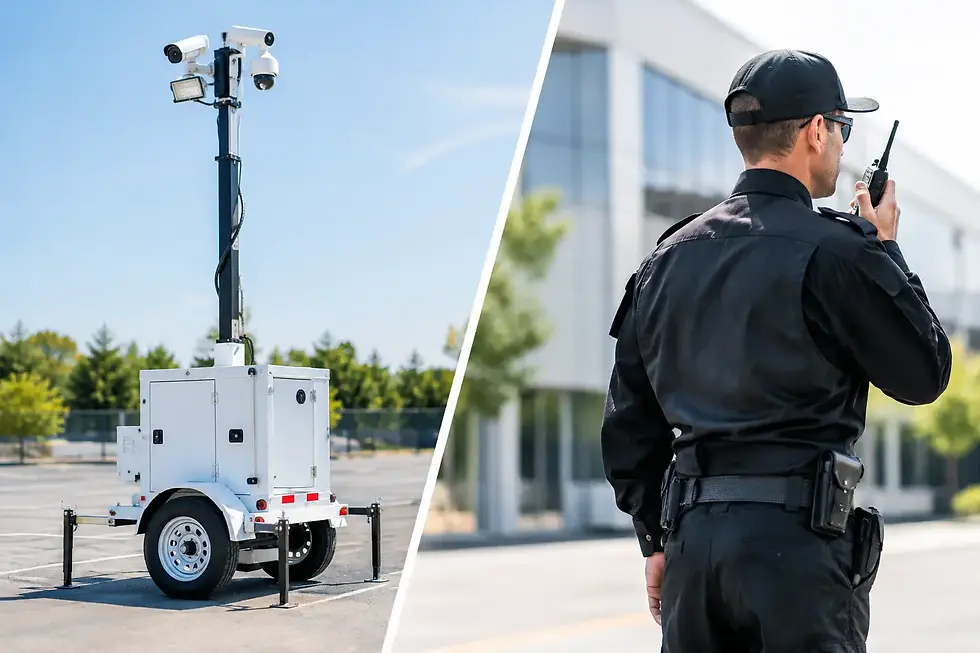
The outer layer should establish a clear perimeter. Fencing, gates, lighting, signage, and well-maintained landscaping tell visitors where they may and may not go. They also remove hiding places and make suspicious activity easier to see. This does not mean every property needs fortress-style fencing. A homeowner may need better lighting and secure side-gate hardware, while a construction site may require temporary fencing and monitored mobile surveillance.
The next layer controls entry. Commercial properties benefit from managed access credentials, keypads, intercoms, or mobile entry systems that limit who can enter and when. Separate permissions matter. A cleaning crew may need access in the evening but not to a server room. A contractor may require access to a jobsite gate for a defined period, not permanent entry credentials.
Interior controls protect the most valuable areas if someone gets through the perimeter. Restricted rooms, locked equipment storage, secure key cabinets, and alarmed doors can limit losses and give responders time to act. For larger properties, zones should be designed around risk rather than convenience alone.
Treat Access Credentials Like Keys to the Business
Access control is only effective when credentials are managed consistently. Physical keys, fobs, keypad codes, app-based credentials, and gate remotes all need ownership and oversight. When access is shared casually, it becomes difficult to determine who entered, when they entered, and whether they should still have access.
Assign credentials to individuals whenever practical. Avoid a single shared code for every employee, vendor, or tenant. Individual permissions create accountability and make it easier to remove access immediately when roles change. For a property manager, this can be especially valuable during tenant turnover, staffing changes, or vendor transitions.
Create a simple process for issuing and removing access. New staff should receive only the access required for their role. Departing employees, former tenants, and completed contractors should be removed promptly. If a shared code must be used for a short-term purpose, change it afterward. These are small operational habits, but they close a common path to unauthorized entry.
There is a trade-off to consider. Restrictive access can slow down legitimate work if it is poorly planned. The answer is not to leave doors propped open or share credentials freely. It is to design permissions around real workflows, with temporary access options for deliveries, trades, and after-hours needs.
Use Cameras for Active Protection, Not Just Evidence
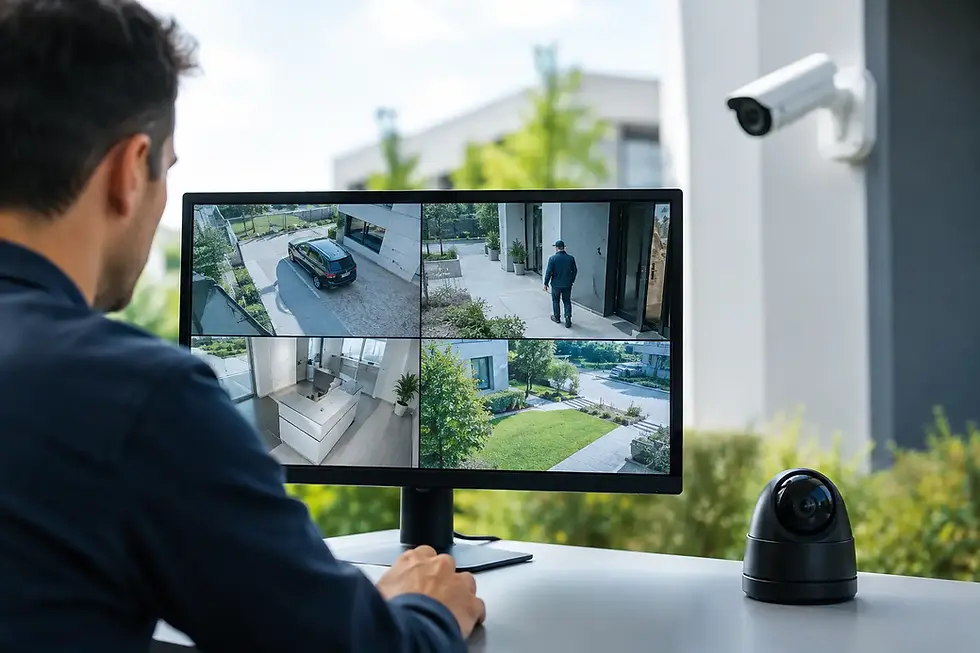
Recorded video is valuable after an incident, but it does not stop theft, trespassing, or vandalism while it is happening. For higher-risk properties, live video monitoring changes the role of surveillance from passive documentation to active protection.
Strategically placed cameras can cover entry points, gates, parking areas, equipment yards, loading zones, and other vulnerable locations. The placement matters as much as the camera itself. A clear view of a face, vehicle, license plate, or gate activity is more useful than a wide view that leaves critical details too far away.
Live monitoring adds human judgment. A trained monitoring professional can assess activity as it occurs, issue an audio warning when appropriate, and follow an established escalation process. That may include contacting a designated site representative or requesting law enforcement response when a genuine threat is identified. This is particularly effective for vacant properties, construction sites, vehicle lots, and storage facilities where a criminal may expect little or no immediate resistance.
Cameras also help identify operational weaknesses. Repeated activity around a side entrance may show that staff are using the wrong route. Frequent gate alarms could indicate a schedule problem, a maintenance issue, or a process that needs adjustment. Security footage should inform better site management, not simply sit in storage until something goes wrong.
Make Lighting, Visibility, and Maintenance Part of the Plan
Many access vulnerabilities are not technology failures. They are maintenance failures. A broken latch, overgrown shrubs, burned-out light fixture, or damaged fence panel can create an opening that people notice quickly.
Lighting should support safe movement for authorized users while reducing concealment around doors, pathways, gates, and parking areas. Brightness alone is not enough. Poorly aimed lights can create glare and shadows that make camera footage less useful. A security professional can help align lighting and camera placement so both systems work together.
Regular inspections matter. After storms, construction activity, tenant moves, or changes to site operations, inspect the perimeter and access points again. Construction sites deserve special attention because conditions change constantly. A camera angle, gate location, or fence line that worked last month may no longer protect the current layout.
Establish a Response Plan Before an Incident
A security system is only as effective as the response behind it. Staff, tenants, and designated contacts should know what to do when they observe suspicious activity, receive an alarm notification, or find evidence of unauthorized entry.
Keep the plan practical. Identify who receives alerts, who has authority to make decisions, and when law enforcement should be contacted. Avoid asking employees to confront trespassers or investigate dangerous situations alone. Their safety comes first.
For commercial sites, consider how monitoring, alarm response, property management, and onsite teams communicate. If a monitored camera operator sees someone entering a restricted yard, the response should not depend on locating an outdated contact list at midnight. Current contacts, clear escalation instructions, and regularly tested systems reduce confusion when time matters.
Guardian Advanced Solutions helps Manitoba property owners build these layers around the realities of their site, combining live video monitoring, smart alarms, and local support. The best security plan is not the one with the most devices. It is the one that gives the right people visibility, control, and a reliable response when risk appears.
A property becomes harder to target when every point of entry sends the same message: access is controlled, activity is seen, and someone is ready to respond.

Comments