

Mobile Security Trailers Versus Guards Compared
A construction site can lose thousands of dollars in equipment, fuel, and materials before the crew returns in the morning. A dealership may face a similar risk after closing, while a storage facility can become a target during a quiet weekend. When comparing mobile security trailers versus guards, the right choice comes down to more than visible presence. It depends on the property, the risk, and how quickly a potential threat is detected and addressed.
For many Manitoba properties, the strongest answer is not simply adding a camera or placing a guard at a gate. It is building coverage around the times, areas, and assets that are most vulnerable.
What Mobile Security Trailers Do Best
A mobile security trailer is a temporary or relocatable surveillance unit designed to protect areas where permanent infrastructure is impractical, unavailable, or not yet installed. It can be placed at a construction site, remote yard, vacant property, event space, vehicle lot, or other location that needs rapid security coverage.
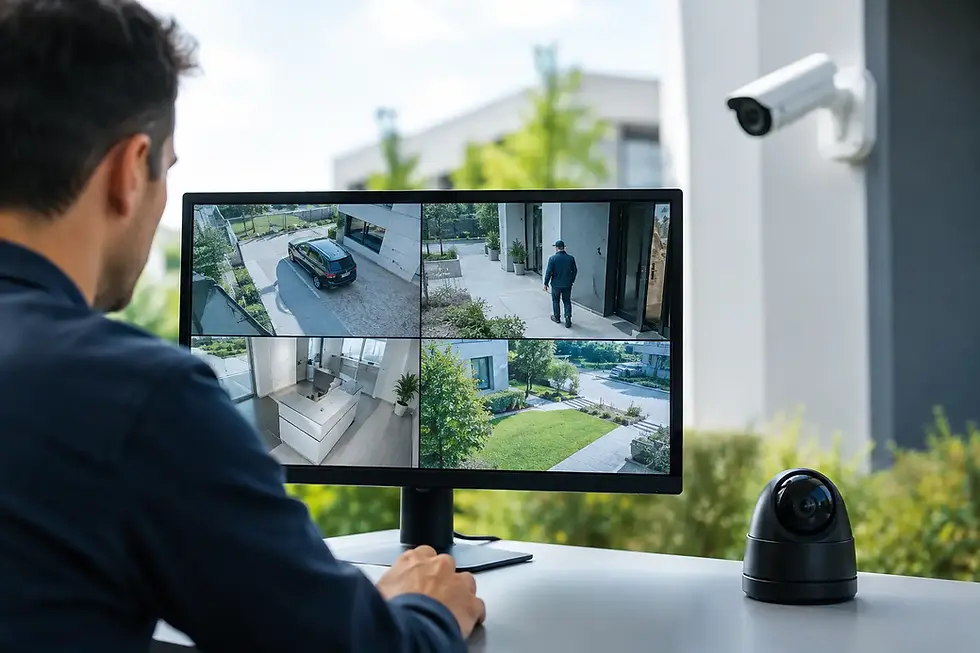
The trailer itself is only part of the solution. Its real value comes from high-visibility cameras, lighting, recording capability, and live video monitoring. When trained operators are actively monitoring video feeds, they can identify suspicious behavior as it happens, issue audible warnings when appropriate, and follow established escalation procedures. That shifts security from reviewing footage after a loss to responding while an incident is still developing.
Mobile trailers are especially effective when a property has a large perimeter or several vulnerable access points. One well-positioned unit can watch equipment rows, material storage, gates, and traffic routes that would be difficult for one person to cover consistently on foot.
They also create a clear deterrent. A visible, professionally deployed surveillance trailer tells would-be intruders that the site is being watched. For opportunistic theft and vandalism, that message alone can encourage a person to move on to an easier target.
There are limits, however. A trailer does not check identification at a gate, escort visitors, inspect a damaged fence in person, or physically direct traffic. Its effectiveness depends on camera placement, connectivity, lighting conditions, and whether the service includes true live monitoring rather than recording alone.
Where Security Guards Provide More Value
On-site guards bring a human presence that technology cannot fully replace. They are useful when a property requires active access control, visitor screening, routine patrols, package or key handling, safety observations, or a person available to respond to changing conditions.
For example, a busy commercial building may need a guard to manage after-hours access. A high-traffic event may require staff who can direct guests and coordinate with organizers. A site with repeated trespassing may benefit from patrols that check blind spots, doors, fencing, and equipment areas in person.
Guards can also make judgment calls that cameras alone cannot. They can speak with an authorized contractor who has arrived outside normal hours, document a safety issue, or recognize that a minor concern needs immediate attention before it becomes an expensive problem.
That human capability comes with a practical consideration: coverage is limited by staffing. One guard cannot be at every gate, building entrance, and equipment area at once. Guard coverage can also be expensive when needed overnight, around the clock, or across a large property. Quality matters as well. The value of guard service depends on training, supervision, site instructions, and dependable attendance.
Mobile Security Trailers Versus Guards: Key Differences
The choice is not about deciding whether cameras are better than people. It is about matching the right protective method to the actual exposure.
A mobile security trailer is often the more efficient option when the main need is broad, continuous observation of an outdoor area. Construction sites, equipment yards, vehicle inventory lots, vacant properties, and remote compounds are common examples. Cameras can observe the same locations without fatigue, and live monitoring can extend coverage across long hours without requiring a guard to remain stationed in one spot.
A guard is often the better fit when the property needs direct interaction. If people must be admitted, checked in, guided, or turned away, a trained person is necessary. The same applies where routine physical checks are part of the security plan or where a visible officer must be present during operating hours.
Response is another important distinction. A monitored trailer can provide early detection and support a fast, documented response process. It can help confirm what is happening before site contacts or emergency services are notified. A guard on location may be able to assess a situation directly, but should not be expected to confront every threat. Guard safety, clear escalation procedures, and police involvement remain essential when criminal activity is present.
Cost should be evaluated beyond the hourly rate. A lower-cost option that only records incidents may leave a property owner with footage but no prevention. Likewise, staffing a guard 24/7 may exceed the needs of a site where most risk is concentrated around a few gates, equipment areas, and overnight hours. The best value comes from reducing loss exposure without paying for coverage that does not serve a clear purpose.
Questions to Ask Before Choosing Security Coverage
Start with the property itself. Is the risk primarily theft, vandalism, unauthorized access, or safety-related activity? Is the site large, dark, remote, temporary, or constantly changing? Are the most valuable assets outside, behind a fence, or located in a building with controlled entry?
Next, consider when incidents are most likely. If the property is quiet at night and the main concern is perimeter intrusion, a mobile trailer with live video monitoring may provide the practical coverage needed. If the site has visitors, deliveries, contractors, or tenant traffic after hours, a guard or concierge-style presence may be more appropriate.
It also helps to identify what happens after a threat is detected. Who receives notifications? Is there a local point of contact? Are there clear instructions for alarm verification, verbal warnings, dispatch, and reporting? Technology should support a defined response plan, not create more uncertainty during an incident.
For Manitoba property owners, local service can make a meaningful difference. A provider that understands the site, the neighborhood, and the operational realities of winter weather, remote locations, and changing job sites is better positioned to deploy equipment correctly and provide responsive support when conditions change.
When a Combined Approach Makes Sense
Many higher-risk properties benefit from both tools. A mobile security trailer can maintain broad surveillance over the perimeter and key asset areas, while guards focus on access control, targeted patrols, special events, or periods of elevated risk.
This combination can be particularly effective for construction projects. The trailer can protect equipment and materials overnight, while guards are used for major deliveries, project milestones, weekend work, or times when site activity increases. Dealerships and multi-tenant commercial properties may also use live monitoring for ongoing coverage while adding guard patrols for specific concerns.
Guardian Advanced Solutions helps property owners build security plans around live video monitoring, mobile security trailers, and practical response procedures. The goal is not to sell more coverage than a site needs. It is to create dependable protection that addresses the real risks on the property.
The right security decision begins with an honest look at where a loss could happen next. If cameras can see it, live monitoring can help address it early. If the situation requires a person on site, guard coverage may be the right investment. When both needs exist, a layered plan gives your property fewer gaps for risk to find.


Comments